


What is tile roof pointing?
Tile pointing is a roofing process where a flexible mortar is applied over the bedding mortar that holds hip and ridge tiles in place, sealing the joints and providing a waterproof barrier. It creates a weatherproof seal whilst still allowing slight movement over time, which protects the roof from weather damage, prevents leaks, and maintains structural integrity.
What is tile roof repointing?
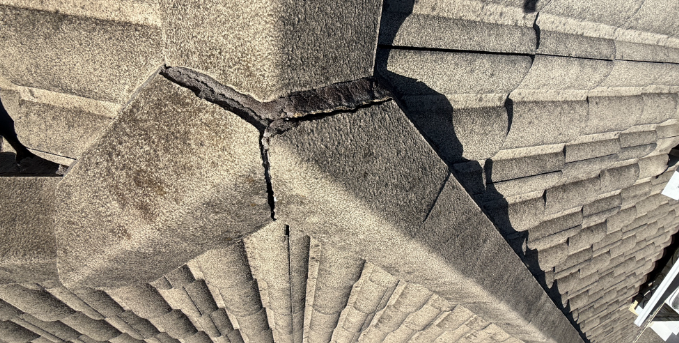
Tile roof repointing is the process of replacing or repairing the damaged, cracked, or eroded mortar (pointing) on the ridge caps and hips of a tiled roof.
When would my tile roof need repointing?
Tile roof repointing is needed when the existing mortar deteriorates and cracks. It may be identified through a roof inspection, or, more concerningly, when you notice your roof leaking.
The goal of repointing your tile roof is ensure it is watertight, protected from further damage and structurally sound.
Steps involved in roof repointing
There are two steps involved in tile repointing work:
- Tile Roof Rebedding
Tile roof rebedding is the process of removing old, damaged mortar that secures the ridge caps of your tiled roof and replacing it with new mortar to firmly reset the tiles. This initial step is often done along with roof repointing, which involves applying a flexible sealant over the new mortar, ensuring the roof is both waterproof and structurally stable. - Tile Roof Repointing
Tile roof repointing is the process of repairing the mortar joints of the ridge capping on a roof to prevent water penetration. It involves removing old, cracked mortar and replacing it with new flexible material to reseal the tiles, secure them in place, and protect the roof from water damage, mould, and structural issues.
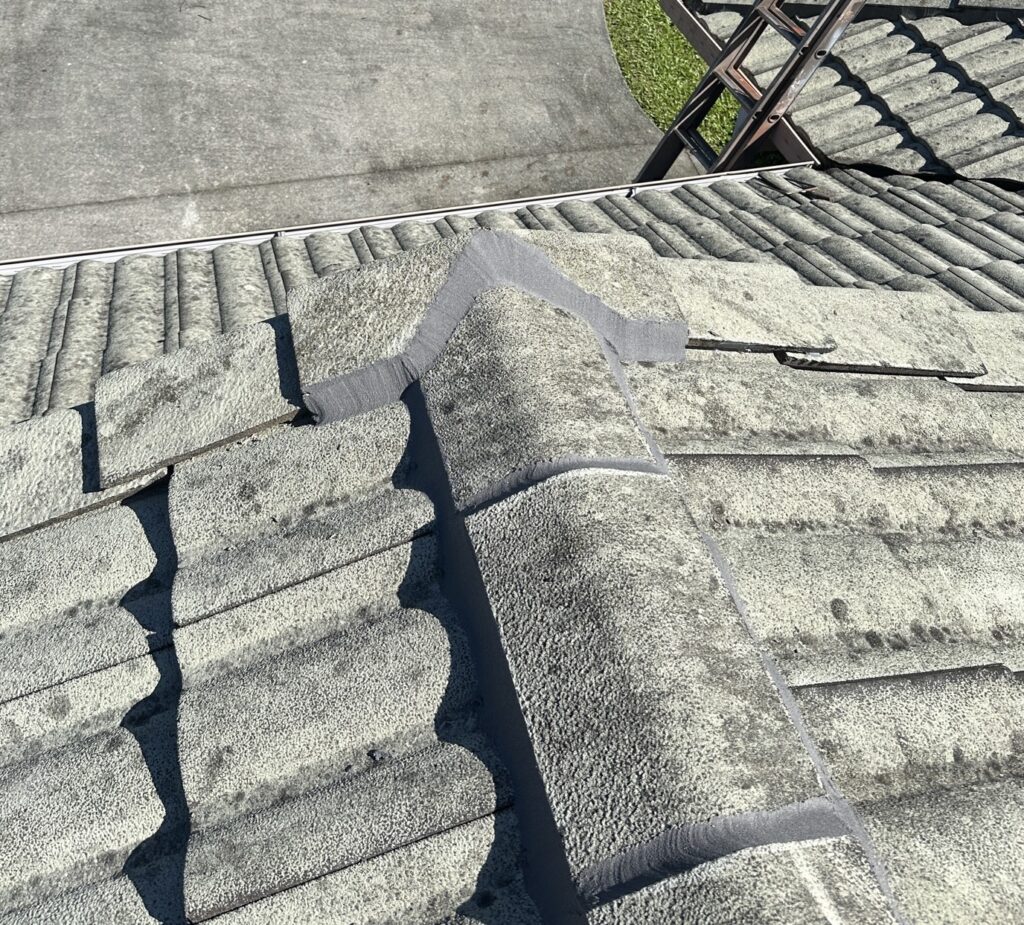
Roof repointing can be either a partial or full repoint, and the difference is the scope of roof work. A Partial roof repointing is a targeted fix for isolated damage, whereas a full repointing involves all ridge capping.
A partial tile roof repoint is required when only a section of worn or cracked concrete along the roof’s ridge cap needs replacing. This involves cleaning the damaged mortar from specific sections of roofing and applying new pointing material to seal the gaps and secure any loose tiles. This prevents water from penetrating in these specific sections. A partial repoint is recommended for small, isolated issues where only a few sections of the ridge capping are damaged.
Benefits of a partial tile roof repoint:
- Less expensive than a full repoint due to the limited scale of work
- Work is isolated to specific areas of damage
If you’re noticing some signs of pointing wear or damage in isolated areas, it’s likely that other areas of your roof will soon need repointing. It may be worth speak with your roofer about the benefits of a full roof repoint.
A full tile roof repoint involves removing all old mortar from the ridge of your roof, and re-securing them with new, more flexible mortar. It also involves cleaning the old tiles, replacing any broken tiles and potentially re-bedding the tiles for a comprehensive repair. A full roof repoint is required when your roof is experiencing widespread cracking and roof deterioration.
Benefits of a full roof repoint:
- Addresses problems across the entire roof ridge, replacing all pointing material
- Provides a complete roof ‘refresh’ that will last
Expert Brisbane roof repointing
If your roof requires a partial or full repoint, contact the Gutter and Roof Repairs team for expert advice and a fast quote. Gutter and Roof Repairs provides quality roof and gutter repair, replacement, roof restoration, roof and gutter cleaning, and asbestos roof removal and replacement across all Brisbane suburbs and Ipswich.